
Ages 6 - 7

Adapting their Voice to the World

At The Voice House, our Young Communicators programme (ages 6–7) builds strong communication skills for children as they move from basic speaking practice into more purposeful, everyday communication.


As children enter their early primary school years, communication becomes more than just being heard — it becomes about connecting with others, expressing ideas clearly, and speaking with real purpose. This stage lays the groundwork for public speaking for primary students, helping young learners grow into confident, articulate communicators both in and out of the classroom.


Through structured activities and guided practice, we help students build the communication skills for students that support classroom participation, friendships, and everyday conversations — skills that only become more important as they progress through primary school.

1.
Building Clarity & Confidence
As part of our communication skills programme for children, the foundation of every lesson is helping students speak clearly and be understood. Students practise sharing short messages from simple prompts, learning to speak in a steady, confident voice that carries clearly to others.
2.
Enthusiasm & Descriptive Speaking
Students learn how energy and description make communication more engaging. Through imaginative activities, they practise describing places, objects, and ideas in a way that helps listeners picture what they are saying.
3.
Expressing Opinions & Ideas
Students are encouraged to share their thoughts and give simple reasons for their opinions. This helps them build confidence in expressing preferences and communicating ideas in a clear and structured way.
4.
Adapting to Different Situations
Students learn how to adjust their voice depending on the situation. They practise speaking calmly in serious scenarios, clearly when giving instructions, and warmly in friendly interactions, helping them understand how context changes communication.
5.
Expressive Speaking
Children learn how to speak with confidence, emotion, and clarity through fun speaking activities and guided role play. They explore tone, facial expressions, pacing, and body language to make their communication more engaging and meaningful.
6.
Celebration of Growth
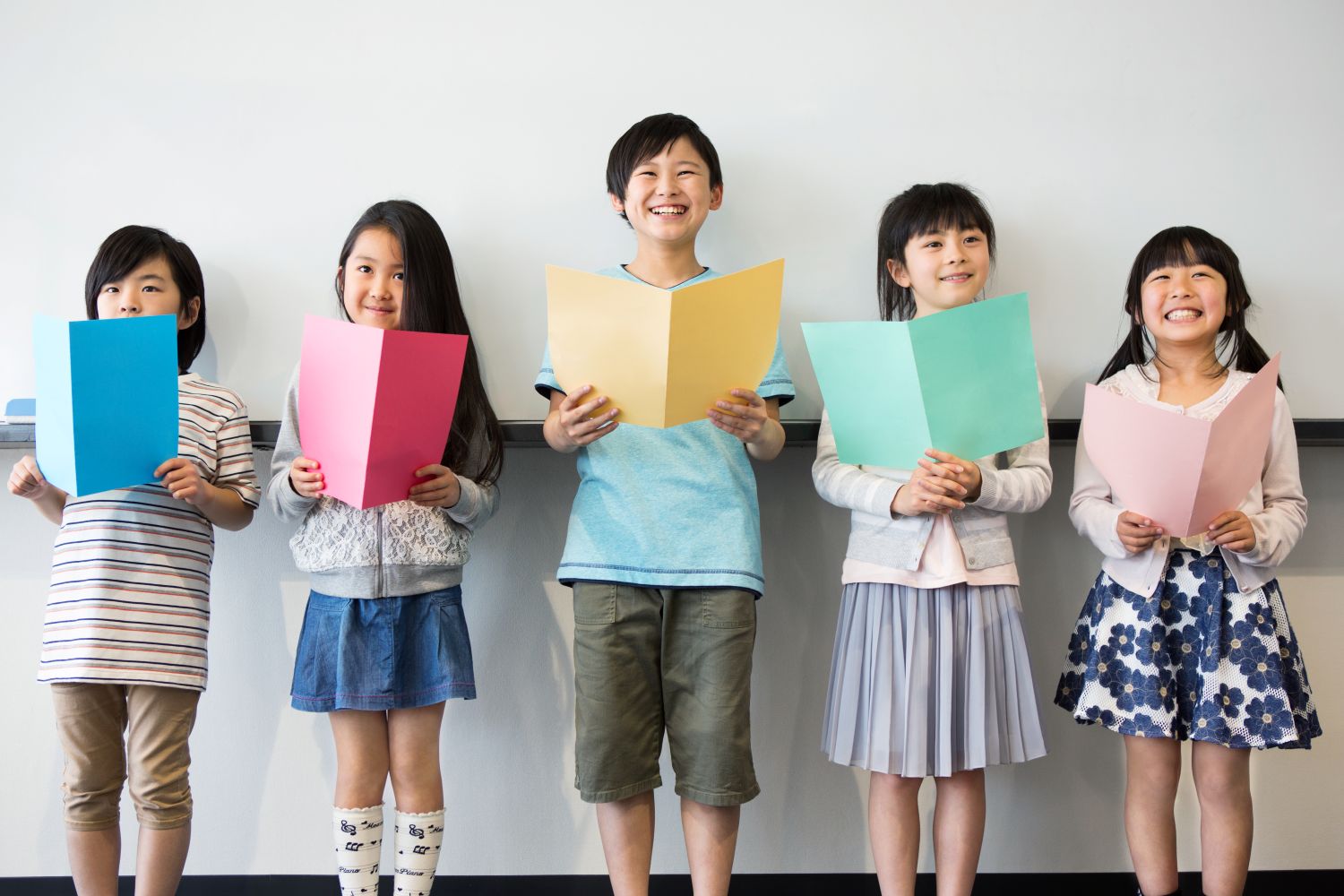
The programme ends with a class presentation where each student shares a short prepared message in their own style. With support from our Skills Garden Tracker, students can see how they have grown in clarity, expression, and confidence throughout the programme.
Trial Class

Voice Discovery

Sign up for our trial package for just $10! See how we help build confidence from the inside out.

$20 For 2 Lessons

Limited slots available. Book today!
Book Your Trial Class Today

    Frequently Asked Questions

    How are lessons kept engaging for children aged 6 to 7?
    Children in this age group learn best when lessons are interactive and meaningful. We incorporate games, discussions, challenges, storytelling and collaborative activities to keep lessons engaging while still building important communication skills. Students are encouraged to think, respond and share ideas frequently throughout class.
    Parents often notice children:
    • Speaking more confidently
    • Giving longer and clearer answers
    • Sharing ideas more independently
    • Asking more thoughtful questions
    • Becoming more expressive in conversations
    Some children may also become more willing to participate in school or social settings. Progress happens gradually — some children show changes within weeks, others take a few months. Both are completely normal.
    Yes. Communication development is not just about confidence — it is also about clarity, thought organisation and adaptability. Confident speakers still benefit from learning how to:
    • Organise ideas more effectively
    • Respond thoughtfully
    • Expand on their answers
    • Communicate clearly in different situations.
    We introduce simple frameworks children can return to whenever they feel stuck or uncertain.
    Our lessons combine both structure and interaction. Each class has clear learning objectives, but activities are designed to keep children actively engaged rather than passively listening. We believe children learn communication best by using it regularly during class.

    Public speaking for primary students starts with small, everyday moments — answering questions in class, describing an idea clearly, or speaking up in a group discussion. Our lessons give children repeated practice in these situations, helping them build the confidence and clarity needed for more formal public speaking as they progress through primary school.

    Confidence is built through repeated positive experiences. We create opportunities for children to speak regularly in a supportive environment where mistakes are part of learning. As children become more comfortable organising and expressing their thoughts, confidence often develops naturally over time.

    Yes. While our focus is spoken communication, the communication skills for students we teach — expressing ideas clearly, listening actively, and organising thoughts — carry over into classroom participation, group work, and everyday conversations with family and friends.

    Shopping cart close