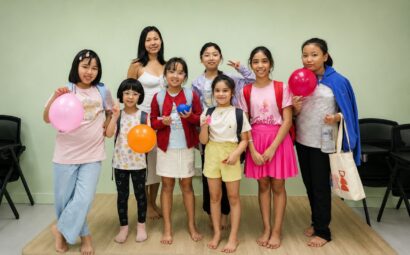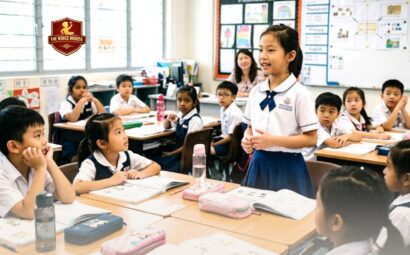

Some children love talking the moment they walk into a room. Others prefer to watch quietly before joining a conversation. Both are good. Each child has their own way of talking and all children can learn to speak with more confidence with help. The Voice House mission is to help kids see that there’s nothing to be afraid of about public speaking. With lots of help, games and hands-on activities they learn to organise their thoughts, speak confidently and enjoy sharing their thoughts. Our public speaking for kids programme is designed to make communication feel natural, enjoyable and rewarding from the very first lesson.
Every Child Has a Voice Worth Hearing
Children communicate every day. They ask questions, tell stories, explain ideas and share exciting moments with family and friends. As they grow older, they are also expected to present projects, participate in discussions and speak confidently in front of classmates.
For many children, these situations can feel challenging. It is not because they have nothing to say. Often, they simply need more opportunities to practise speaking in a positive environment.
That is exactly what we aim to provide. Instead of asking children to memorise speeches, we encourage them to think, speak and express themselves naturally. Over time, they begin to realise that speaking confidently is a skill they can develop, just like reading, writing or playing a sport.
What Is Public Speaking for Kids?
Public speaking for children is not about standing on a stage delivering long speeches. It is about helping children become comfortable expressing themselves in different situations.
Sometimes that might mean introducing themselves to a new class. On another day, it could be telling a story, presenting a school project or sharing an opinion during a discussion.
These everyday speaking experiences gradually build confidence that stays with them long after the lesson ends.
What We Focus On
Each lesson has activities that help children improve different areas of communication, and while we do that, we make sure that the experience is fun.
| Focus Area | What Children Learn |
|---|---|
| Speech Delivery | Speaking clearly with confidence |
| Storytelling | Organising ideas and expressing them creatively |
| Presentation Skills | Presenting information in a simple, logical way |
| Voice Control | Speaking loudly and clearly without shouting |
| Body Language | Eye contact, posture and natural gestures |
| Audience Engagement | Keeping listeners interested and involved |
| Confidence Building | Becoming comfortable speaking in different situations |
Each activity is designed around children’s age, learning pace and confidence level.
Why Public Speaking Matters
Communication is one of the few skills children use throughout their lives. A child who feels comfortable speaking often finds it easier to ask questions in class, contribute during group work and build friendships.
That confidence doesn’t appear overnight. It grows little by little. Sometimes it starts with answering one question during class. Sometimes it starts with introducing themselves to a new friend. Those small moments eventually become bigger opportunities.
Many parents tell us they originally joined because their child was shy. Months later, they notice their child volunteering answers in school or confidently speaking with relatives during family gatherings. Those everyday changes are often the most meaningful.
Supporting Better Academic Performance
School today is very different from what it was years ago. Students are expected to explain their ideas, work in teams and present projects in front of classmates. Good communication has become just as important as understanding the subject itself.
When children feel confident expressing themselves, they often become more willing to:
- Answer questions during lessons
- Participate in classroom discussions
- Explain their thinking clearly
- Present school projects
- Work confidently with classmates
These are practical skills that continue to benefit them throughout their education.
Learning How to Speak with Confidence
Speaking confidently is not about having the loudest voice. It is about helping children communicate clearly while feeling comfortable being themselves.
Throughout the programme, children gradually learn how to:
- Slow down when speaking
- Pronounce words clearly
- Make eye contact naturally
- Stand confidently
- Speak with expression instead of rushing
Our coaches understand that every child learns differently. Some children are ready to speak straight away. Others prefer to observe first.
Both approaches are respected because confidence develops differently for every learner.
Storytelling That Feels Natural
Ask children about their favourite holiday or an exciting weekend, and many of them will happily tell a story.
Storytelling gives children a simple way to organise their thoughts while developing creativity and confidence.
Rather than memorising scripts, children learn how to describe events, explain ideas and keep listeners interested. As they become more comfortable, their stories become clearer, more organised and more enjoyable to listen to.
Developing Strong Presentation Skills

Talking is not the same as showing. Children should also be able to structure their thoughts, begin topics clearly and finish confidently. We teach kids how to work on these skills in small, manageable steps.
We don’t expect perfect presentations, we look for improvement over time.
Kids will learn to:
- Make easy presentations
- Arrange ideas logically.
- Don’t try and remember what to say, just speak naturally.
- Use body language wisely
- Finish with confidence
These helpful habits will serve you well when you’re presenting in class and other times when you have to speak with people.
What Happens During Class?
Children learn best when they are actively involved.
That is why our lessons include different activities every week to keep learning fresh and engaging.
Some favourites include:
- Storytelling challenges
- Show-and-tell sessions
- Speaking games
- Picture talks
- Role-playing activities
- Group discussions
- Short presentations
- Creative communication exercises
The atmosphere is relaxed, encouraging and interactive. Children are free to learn, make mistakes and improve without feeling pressured.
Families looking for public speaking classes for kids often tell us that their children look forward to coming back each week because every lesson feels different.
What Parents Often Notice
Progress doesn’t always happen in dramatic ways. Sometimes parents notice their child speaking a little louder. Sometimes they see them answering questions without hesitation.
Others mention that family conversations become longer because their child is more willing to share stories about school. These small changes often show that confidence is growing naturally.
Our public speaking courses for kids are designed to support this journey one step at a time, giving children regular opportunities to practise and improve in a positive environment.
Frequently Asked Questions
1. What age is suitable for public speaking lessons?
Children can begin learning communication and speaking skills from an early age. Activities are always adjusted according to their age and confidence level.
2. What happens if my child is shy?
Many children join our programme because they are naturally quiet. We never force participation. Instead, we encourage children gently until they feel ready to speak on their own.
3. Will these lessons help with school presentations?
Yes. Children learn practical speaking, storytelling and presentation techniques that they can apply during classroom activities and school projects.
4. How is your programme different from a typical speech class for kids?
Our lessons focus on real communication rather than memorising speeches. Children practise speaking through games, discussions, storytelling and interactive activities that reflect everyday situations.
5. What can parents expect after a few months?
Every child progresses differently, but many parents notice improved confidence, clearer communication, greater classroom participation and a willingness to express ideas more openly.